Thailand Training Visa / DTV Guide for Fighters (2026)
Longer stays need a plan: documents, insurance, realistic training load, and official rules—not forum rumors.

Visa rules change—use this guide to structure your research, then confirm every detail with official immigration sources.
On this page
Why visa planning matters for fight camps
Flights are the easy part
If you are training Muay Thai, MMA, BJJ, or boxing in Thailand for more than a quick holiday, your visa strategy is as important as your camp choice. The wrong assumption—treating a long stay like a short tourist trip—can create stress, denied boarding, or last-minute booking losses.
This page is a structured editorial overview of how travelers commonly think about Thailand stays, including references to DTV where relevant. It is not legal advice. Rules depend on nationality, embassy, and policy updates.
Visual grounding
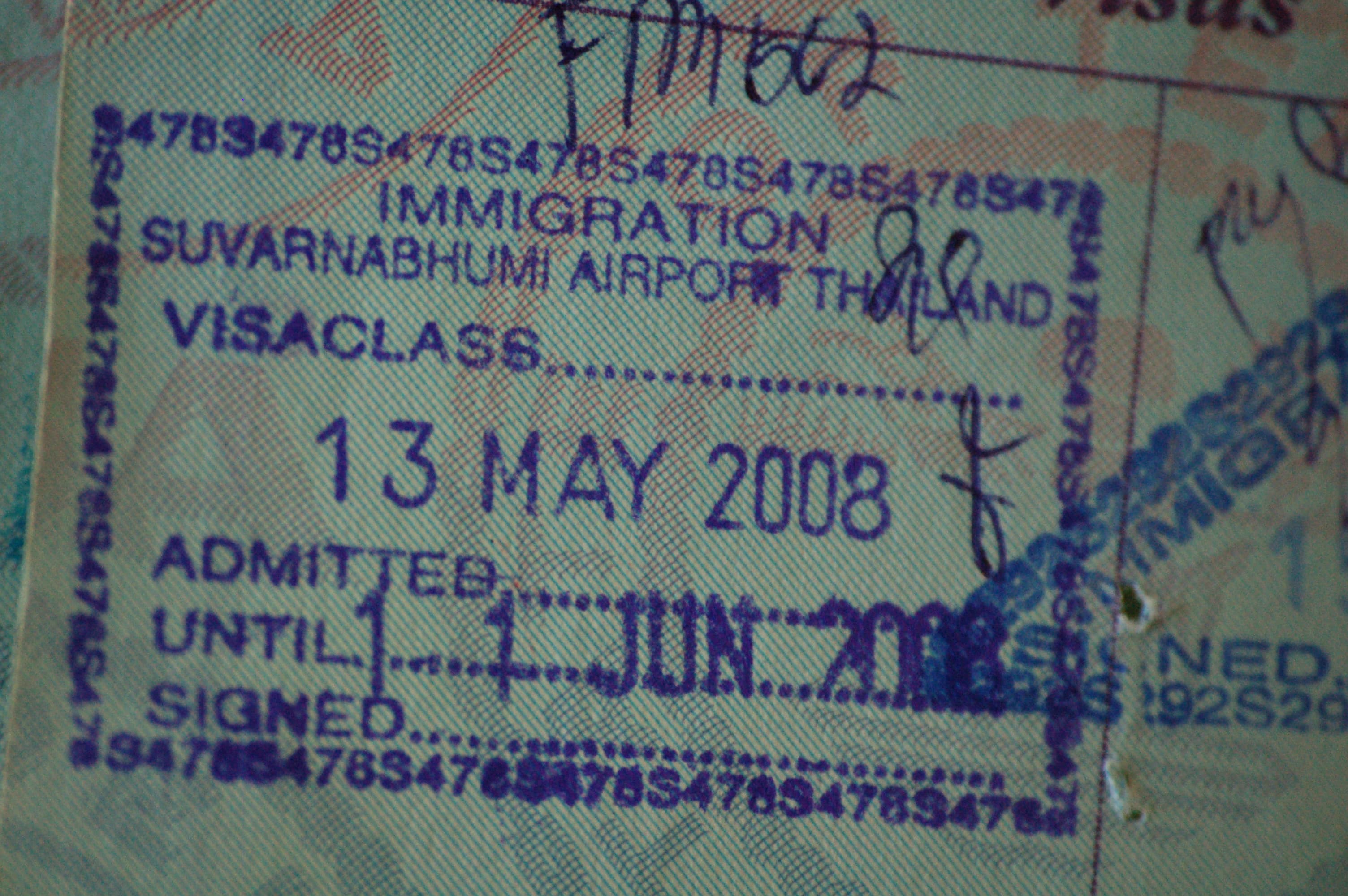
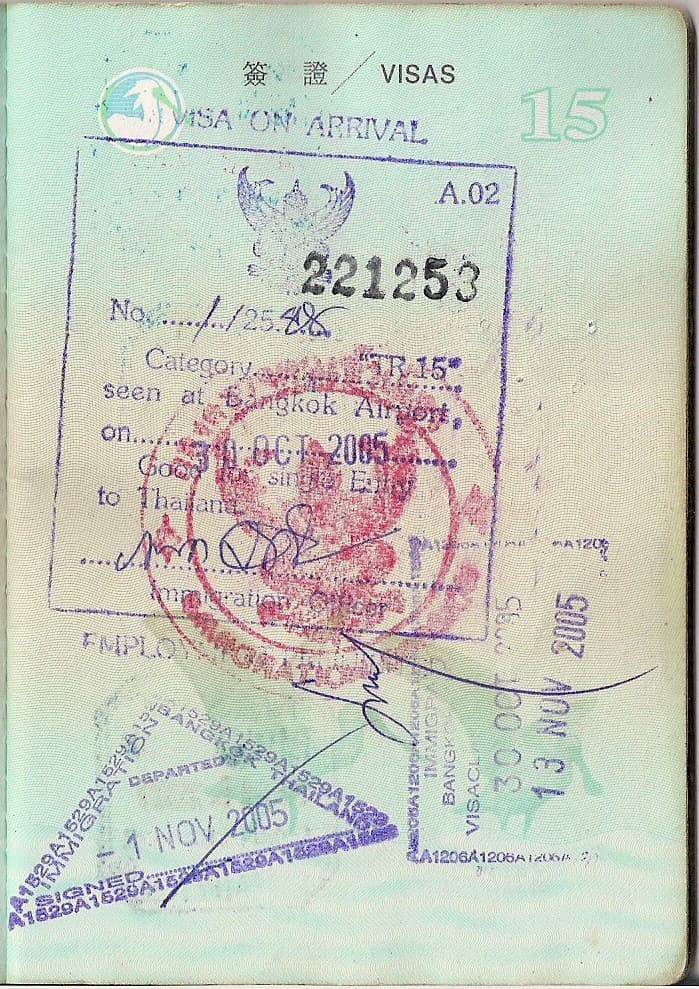
Think in stamps, dates, and permitted stay
Visa talk is abstract until you see the pattern: entries, extensions, and dates that control how long you can stay. The “right” option depends on your passport, your stay length, and what documents you can provide.
The goal of this guide is to help you build a repeatable process: start from official sources, make a checklist, and avoid last-minute surprises that can ruin a month-long camp plan.
Common visa routes (high level)
Shorter tourist-style visits
Longer-stay categories
DTV (Destination Thailand Visa)
High ROI planning
A pre-flight checklist for long-stay training trips
If you want the trip to last longer than a week, treat visas like training: a system beats motivation. This checklist is designed to prevent last-minute stress and expensive re-booking.
- Dates: what is your intended stay length (days/weeks), and what’s your buffer?
- Route: which visa/entry route matches your passport and timeline right now?
- Documents: do you have digital + printed copies (passport bio page, photos, bookings)?
- Proof: can you show accommodation and onward/return travel if requested?
- Insurance: is it appropriate for contact sports training and injuries?
- Training plan: are you ramping volume realistically for week 1?
- Extension plan: do you know what you’ll do if you need more time?
If extensions are part of your plan, also read Thailand visa extension & overstay guide and verify the latest official process.
A practical mindset
What changes most often (and how to react)
The trap is memorizing a blog’s “visa rules” once and assuming it will be true next month. What changes is often the implementation: required documents, appointment flow, fees, or what an airline wants before boarding.
Treat anything you read—including this page—as a framework. Then validate the current checklist from the Immigration Bureau, MFA, and your embassy/consulate links below.
Documents travelers often prepare
Your embassy may ask for different items than a friend’s passport. Use this as a packing list for your research folder—not a guarantee.
- Accommodation confirmations and realistic itinerary notes
- Training-related bookings, invoices, or camp correspondence
- Proof of funds if required for your visa class
- Travel insurance that covers training and accidental injury
- Passport validity beyond your planned stay window
- Return or onward travel plans if requested
Training load vs immigration stress
Long-stay athletes sometimes underestimate recovery. If you are navigating visa appointments, housing setup, and jet lag while jumping into twice-daily training, injury risk rises. Build buffer days and sleep—your camp will still be there after you are rested.
If you plan to compete, add medical and coaching conversations early. Insurance that excludes contact sports can leave you exposed—read policy details carefully.
A simple “ask your camp” checklist (before you book)
Camps cannot give legal advice, but they can confirm logistics that affect your planning—especially for longer stays.
- What is the typical minimum stay for accommodation packages (if offered)?
- Do you provide invoices/receipts that reflect training dates and payments?
- Are there rest days or beginner-only schedules you recommend for week one?
- Do you have a preferred nearby area for long-stay students to rent apartments?
- Can you confirm the gym address and a map link for planning commutes?
- If I arrive late, can I start training the next day (schedule constraints)?
Official sources beat blogs
Use the Royal Thai Immigration Bureau, Ministry of Foreign Affairs, and your embassy for forms, fees, and processing times. Third-party articles—including ours—go stale when rules change.
Thai Immigration Bureau
Overstays, extensions, updates, and official notices.
Open official site →
Ministry of Foreign Affairs (MFA)
Policy announcements and official Thailand government info.
Open official site →
Thailand e-Visa
If your visa type uses the online portal, start here.
Open official site →
Your local Thai Embassy/Consulate
Country-specific requirements and processing rules.
Open official site →
Dwell-time friendly checklist
Build a “visa folder” before you fly
Screenshots and scattered PDFs cause mistakes. Keep one folder with the exact links above, your documents, and a simple one-page itinerary so you can answer questions quickly.
Pick your camp after you understand stay length
Browse verified Thailand gyms with transparent listings.
Frequently asked questions
High-signal answers for combat sports travelers—confirm details with officials.
Is there a special “Muay Thai visa”?
There is no single worldwide label that works for every passport. Travelers usually choose a visa category that matches stay length, purpose, and documentation. Always verify with your embassy and Thai immigration.
What is the DTV (Destination Thailand Visa)?
DTV can suit certain longer stays and remote-work lifestyles, depending on eligibility and current policy. Requirements evolve—use official sources for forms, fees, and permitted activities.
What documents help for combat sports travelers?
Common examples include accommodation proof, return or onward travel, training-related bookings or correspondence, and insurance appropriate for contact training. Exact needs vary by visa type.
Can CombatBooking sponsor my visa?
No. We are a camp marketplace. Immigration decisions are between you, your embassy/consulate, and Thai authorities.
Should I book flights before my visa is approved?
That is a personal risk decision. Many travelers prefer flexible tickets or refundable options until requirements are clear.
Does training count as “work”?
Visa categories define permitted activities differently. Do not assume training, coaching, or online work are interchangeable—confirm with official guidance for your specific visa.
Where can I find official DTV/visa requirements?
Start with Thai government sources (Immigration Bureau, Ministry of Foreign Affairs, and Thailand e-Visa) and your local Thai embassy/consulate. Requirements can differ by nationality and can change.
What if I need to extend my stay after I arrive?
Plan for that possibility early. Read our Thailand visa extension and overstay planning guide, then verify the current process with official sources for your visa type and location.
What is the biggest mistake long-stay fighters make with visas?
Leaving it too late. Visa and airline checks are timing-sensitive—build buffer days, keep digital copies of documents, and confirm the latest checklist right before you fly.
Disclaimer: This guide is for general information only and does not constitute legal advice. Immigration law changes; always verify with qualified professionals and official government sources before making decisions.